
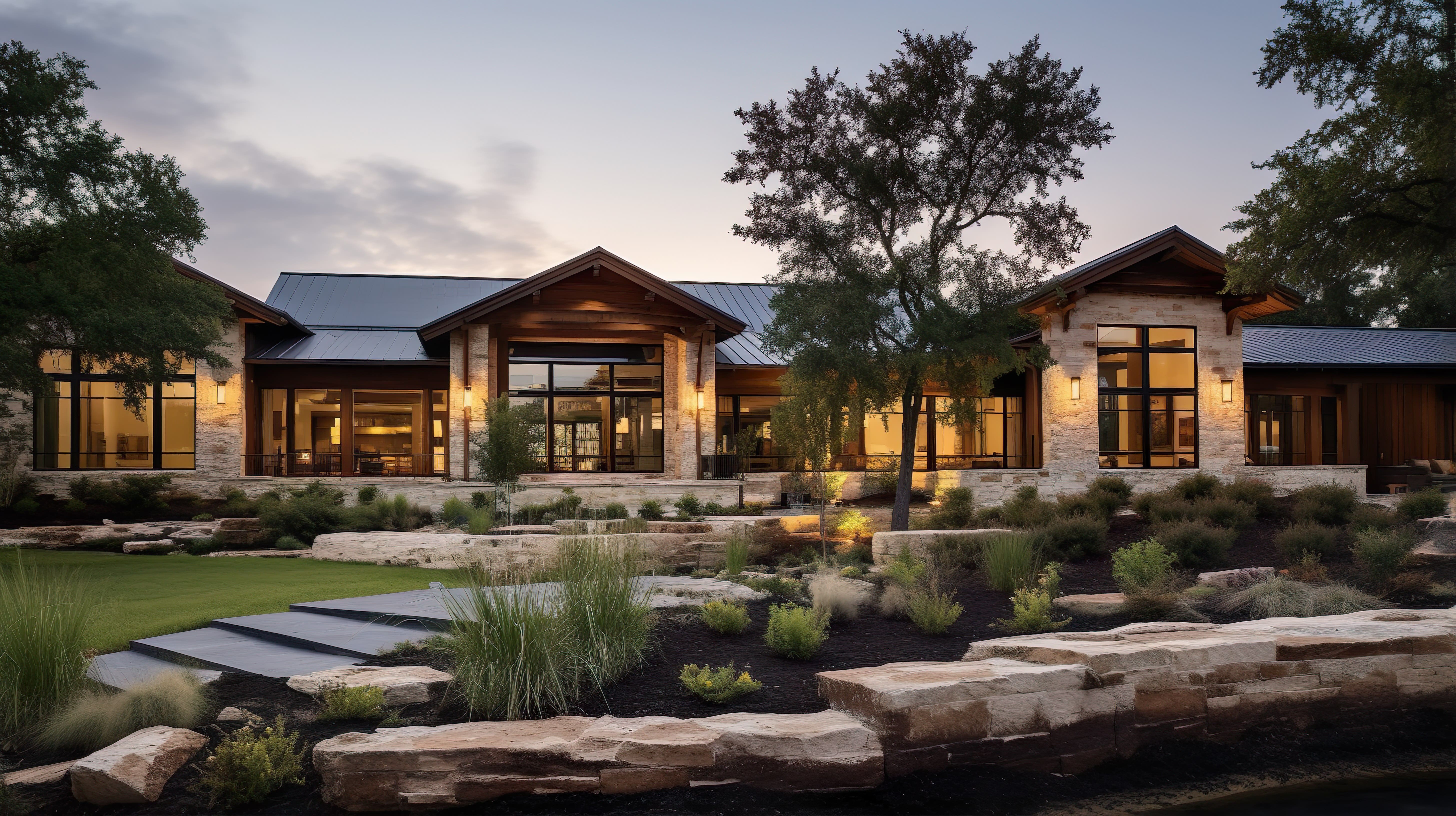
2026 trends in landscaping continue to reflect a desire for outdoor spaces that are not only beautiful, but also practical, flexible and easier to maintain. Homeowners are thinking of their yards as true extensions of their living space, while also keeping sustainability and long-term upkeep in mind.
Purpose-Driven Outdoor Spaces
Instead of large, unused lawns, more homeowners are creating defined outdoor “rooms” with pavers, pergolas, shade sails, and built-in seating. These areas are designed for dining, relaxing and entertaining, making the backyard just as functional as indoor living areas.
Climate-Smart Plant Choices
Plants that thrive naturally in local conditions are more popular than ever. Drought-tolerant shrubs, native grasses and hardy perennials reduce watering needs and perform well through seasonal changes, making them ideal for busy homeowners.
Year-Round Visual Interest
Landscapes are now planned with all seasons in mind. Evergreens, ornamental grasses, bark textures, and winter-hardy plants help keep yards visually appealing with varying texture even when flowers aren’t in bloom.
Pollinator-Friendly Design
Gardens that support bees, butterflies and birds remain a strong trend. Flowering plants, herb gardens and layered landscaping provide food sources and shelter while adding natural movement and color to outdoor spaces.
Low-Maintenance Alternatives to Traditional Lawns
Many homeowners are replacing sections of grass with gravel, ground cover, artificial turf or mixed hardscaping to reduce mowing, watering, and fertilizing, all without sacrificing curb appeal.
Overall, 2026 landscaping is about working smarter, not harder, creating outdoor spaces that look great, function well, and fit comfortably into everyday life.