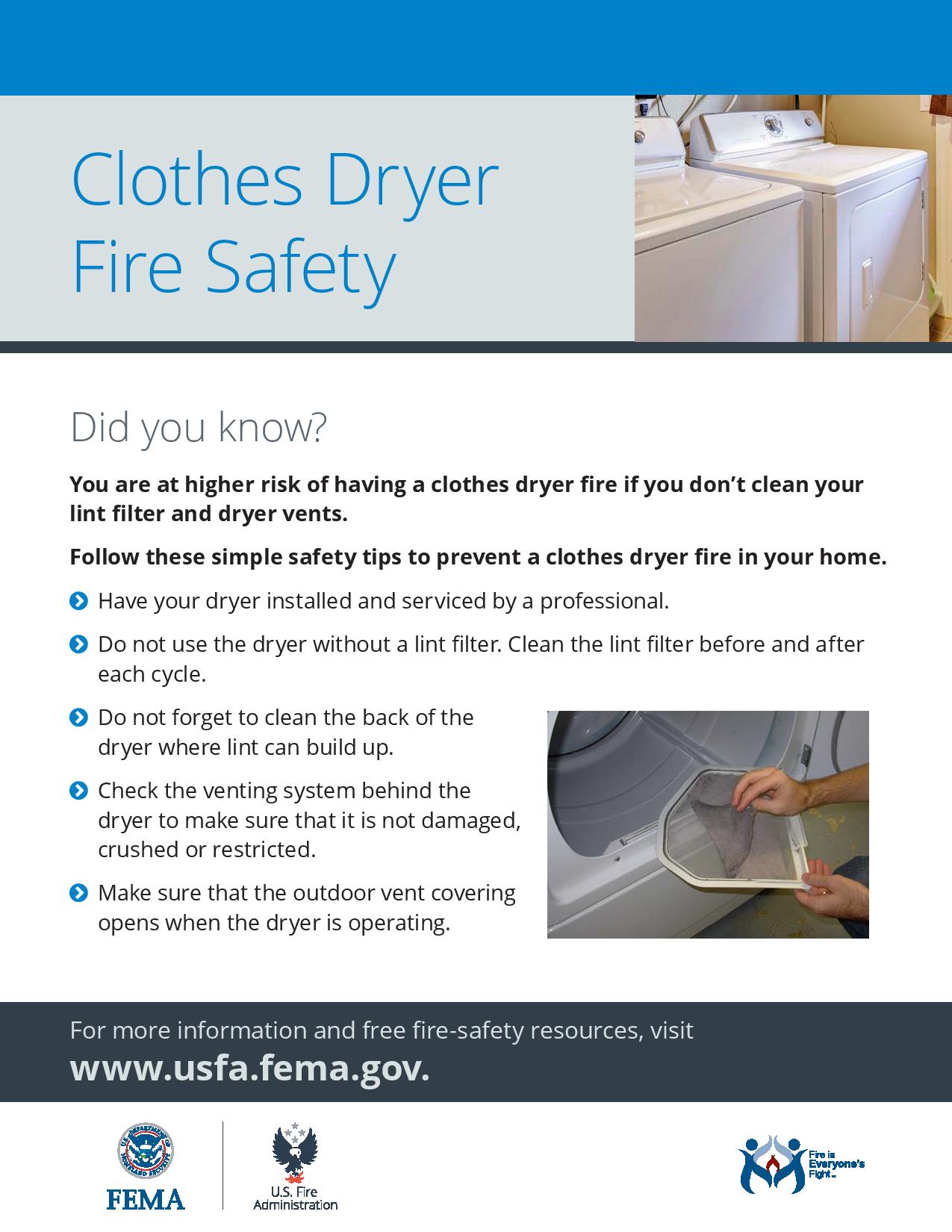
Did you know that clothes dryer fires are responsible for an estimated 5 deaths, 100 injuries, and more than $35 million in property loss annually? According to the U.S. Fire Administration, there are approximately 2,900 dryer fires with 34% of those resulting from a failure to clean the dryer vent. These types of fires most commonly occur in the fall and winter, peaking in January.
Over the last couple of weeks we noticed that our dryer was running hotter than usual yet took much longer to dry our laundry. We clean the lint trap with every load change and I tried running smaller loads. No luck.
We decided check the vent and duct work and quickly discovered the problem: major lint build-up! The vent exit at the back of our house was totally blocked which was easily fixed by removing the vent cover, pulling out lint, and vacuuming the vent cover clean with the Shop Vac.
Then we pulled the dryer away from the wall, disconnected the flexible duct, and discovered another clog. A few handfuls of lint were pulled out and the Shop Vac sucked up any left-overs.
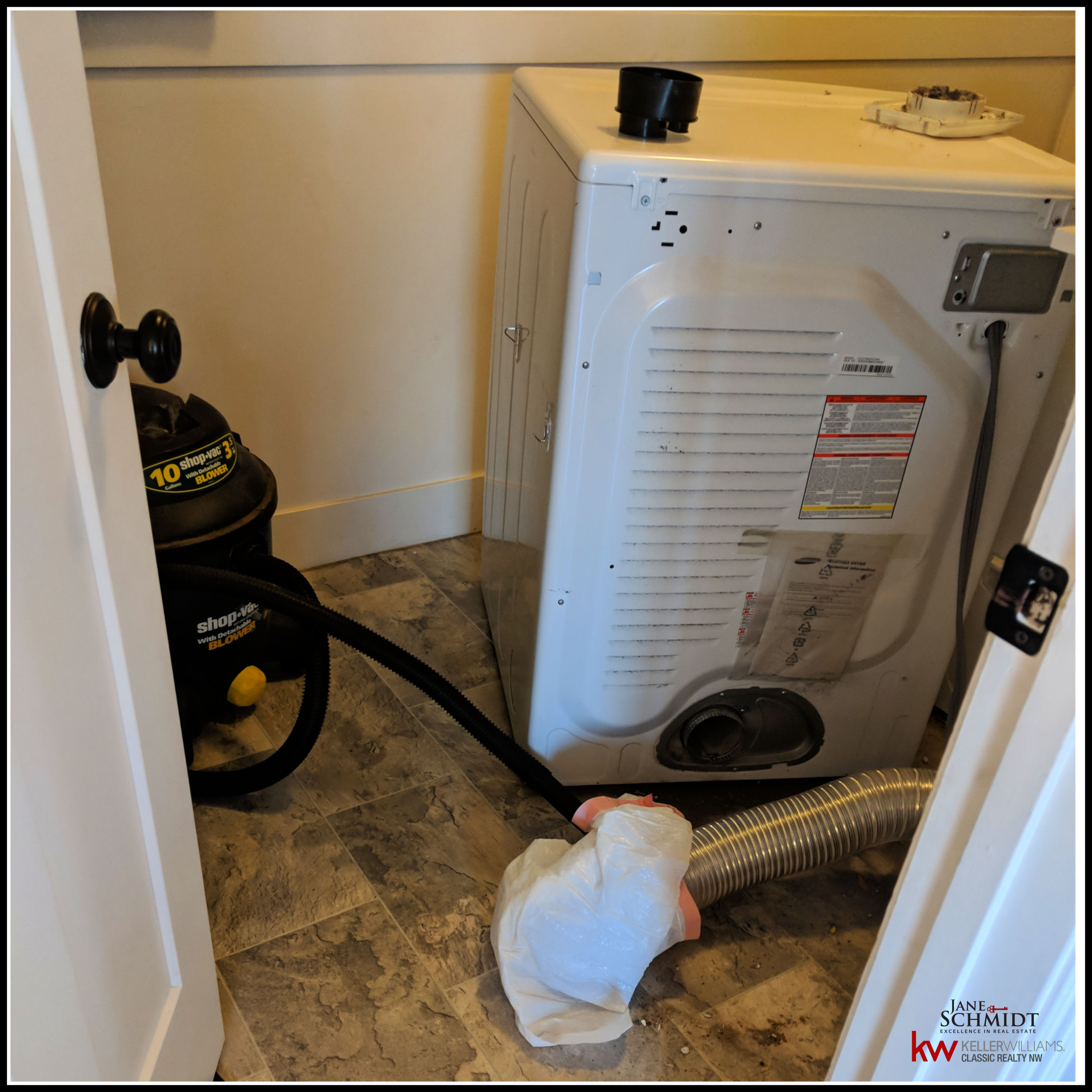
We put everything back together and gave it a test run. There was no airflow coming from the vent outside, so we knew there must be more blockage somewhere in the duct work. We borrowed this handy tool from our neighbor and got to work: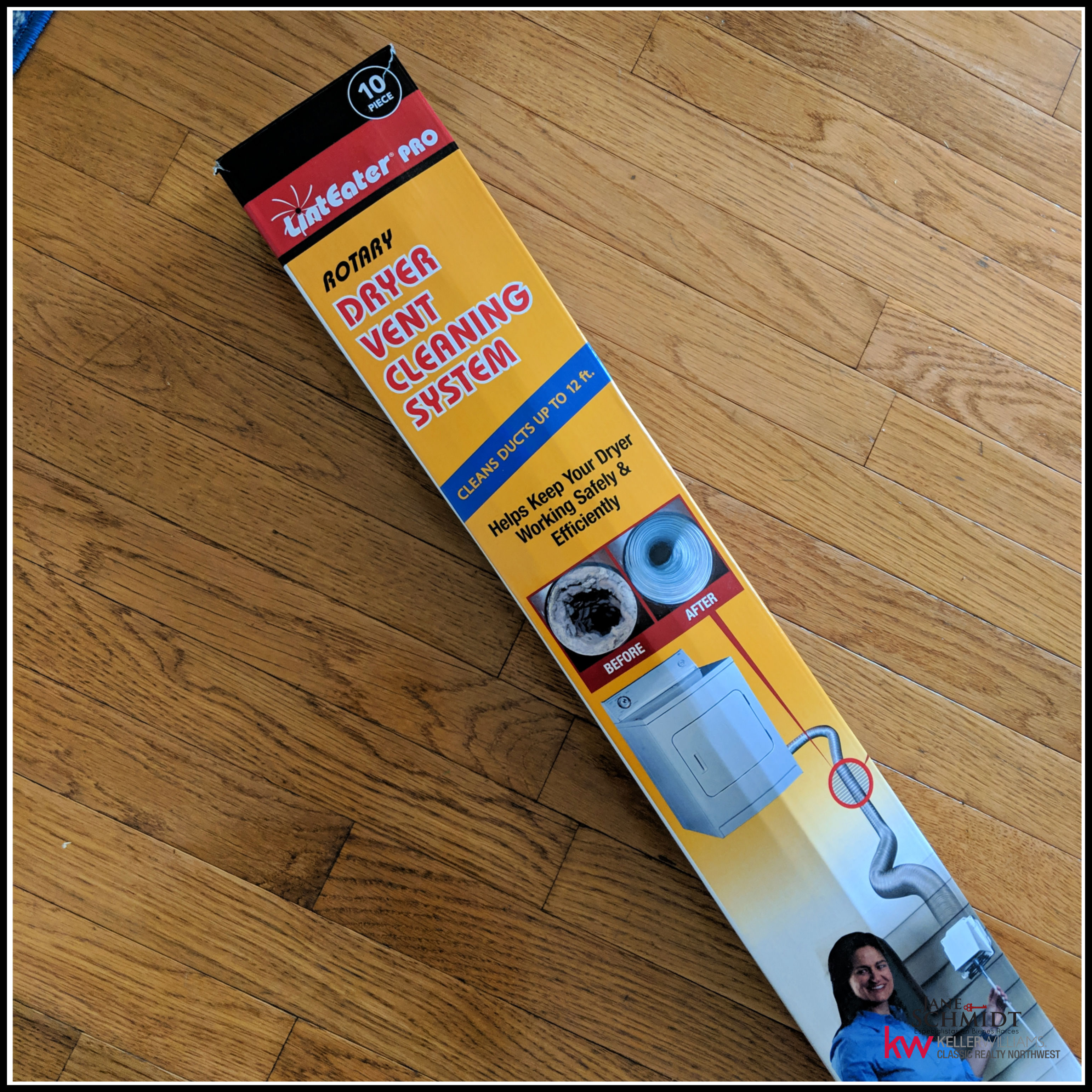
I wish we’d taken a photo of all the lint this doo-hickey pulled from the 15-foot long duct! It took several attempts, both from the outside vent and the inside start of the duct. I don’t want to think about how close we were to becoming a statistic!
Lesson: clean your dryer ducts and vents! If you don’t have the time, skill, tools, or interest in doing it yourself, hire someone! (Give us a call and we’ll give you some recommendations for service providers!)
Here are some tips from the U.S. Fire Administration for proper maintenance of your dryer and related duct work: