
Upgrading your home for climate resilience calls for supporting your house’s structure in different ways against extreme weather. In addition to that, you’ll be improving energy and cooling/heating efficiency, as well as upgrading water and power back-ups. What protections and upgrades do you need specifically?
Protecting Against Heat
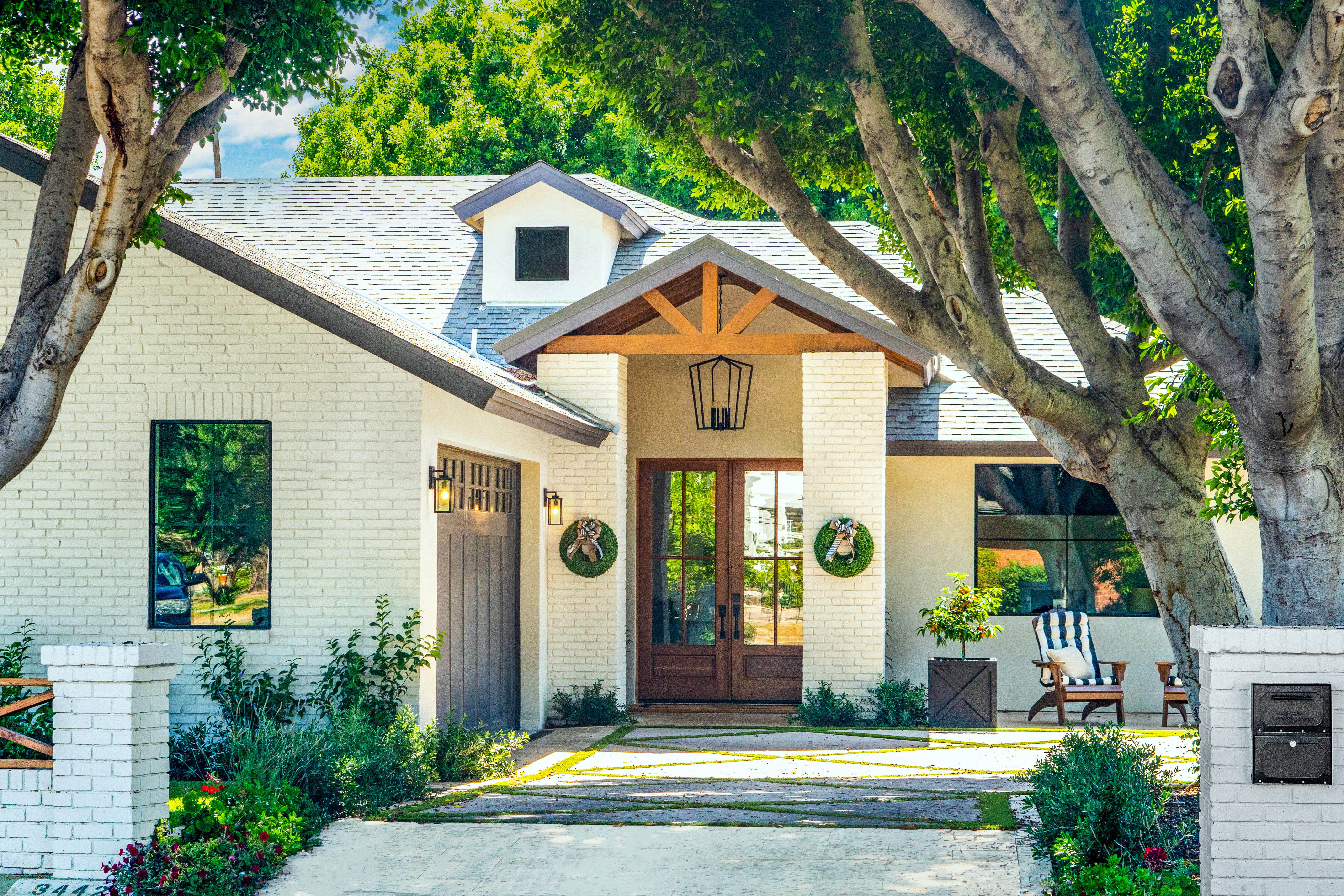
The next time your siding needs replacement, consider fiber-cement siding like Hardie board which is more resistant to high winds, moisture and extreme heat than traditional wood or vinyl. Choose lighter paint colors to reflect the sun’s heat.
Same goes for your roof. Choose cool roof materials that are light-colored and non-combustible for maximum effectiveness on the hottest days.
Plant native shade trees near western and southern exposures to offer your home strategic shading in the hottest parts of the day. Keep trees and bushes trimmed and clear of dead, easily flammable debris.
Try UV-blocking window films and energy efficient double-pane windows. A programmable thermostat can help you time when you change temperatures in your home, maximizing efficiency.
Protecting Against Wet Weather
First, make sure your gutters and down spouts are clear and working well. Extend those downspouts well away from the foundation of your home to prevent flooding. Add rain barrels to collect rainwater for gardening and lawncare.
You can also replace your concrete driveway with pavers or gravel so rain can quickly absorb into the ground instead of flooding.
And finally, add a battery back-up or home generator in case of power outages or grid failures.